Global Education Toughness Comparator
Select a country to analyze its education system's intensity factors, including daily study hours, exam stakes, and psychological impact.
South Korea
Hakbang CultureChina
Gaokao PressureIndia
CBSE / JEEJapan
Exam HellSingapore
Elite StreamingFinland
Quality over QuantityImagine waking up at 6:00 AM, attending school until 4:00 PM, and then heading to a coaching center for another four hours of rigorous study. For millions of students across Asia, this isn't a nightmare scenario-it’s Tuesday. When we ask which country has the toughest education system, the answer rarely points to a single nation. Instead, it reveals a complex web of cultural expectations, high-stakes testing, and relentless competition that varies dramatically depending on where you live.
The definition of "tough" changes based on your perspective. Is it the sheer volume of homework? The stress of a single exam determining your entire future? Or the physical exhaustion from long hours? In this article, we break down the most demanding educational landscapes in the world, looking closely at South Korea, China, India (specifically the CBSE syllabus), and Finland’s counter-intuitive approach. We’ll explore why these systems are considered difficult, how they impact student well-being, and what parents and educators can learn from them.
South Korea: The Culture of Hakbang
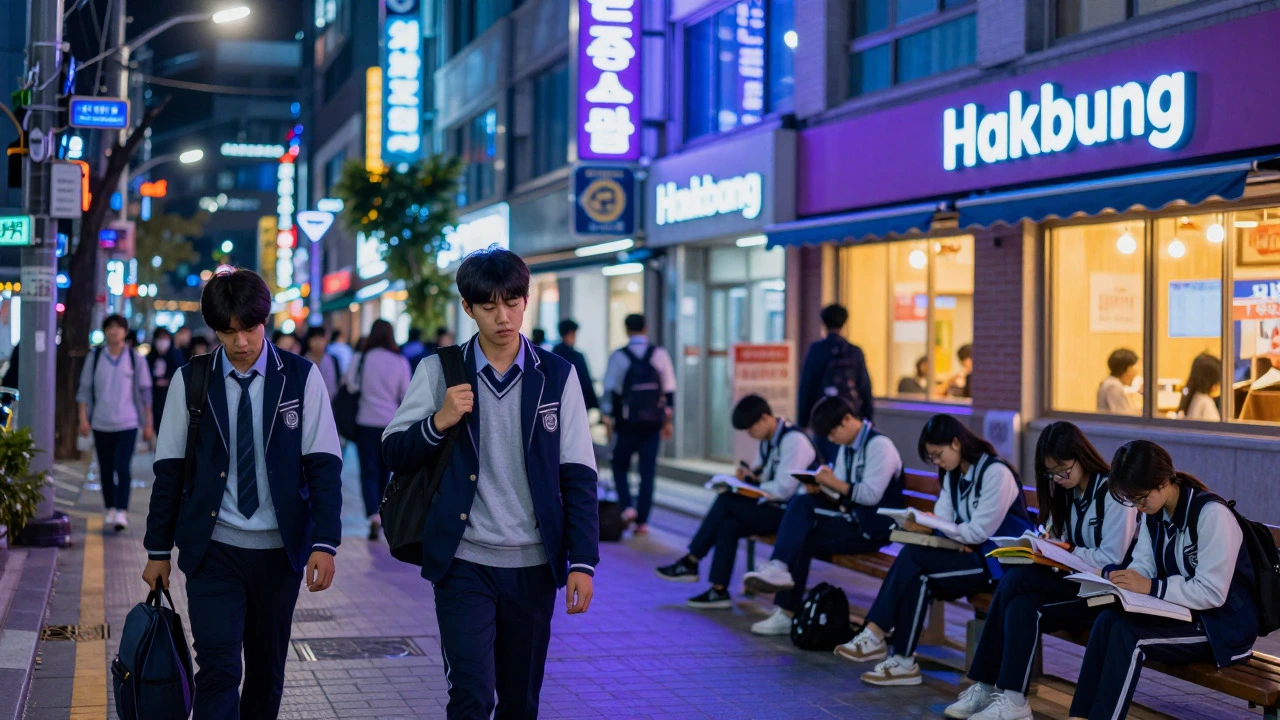
If you measure toughness by time spent studying, South Korea often takes the top spot. The concept of hakbang-private after-school academies-is woven into the fabric of Korean society. It is estimated that nearly 80% of middle and high school students attend these cram schools. The goal is singular: pass the CSAT (College Scholastic Ability Test).
The CSAT is not just an exam; it is a national event. On test day, military helicopters are grounded, trains run late to ensure no student misses their bus, and parents pray at temples near universities. The pressure is immense because the result largely dictates your social status and career trajectory for life. Students often sleep in libraries or even in their cars to maximize study time. This intensity creates a highly literate and mathematically proficient population but comes at a significant cost to mental health.
- Average Study Time: High school students in Seoul often study 15-16 hours a day, including school and hagwons.
- Key Metric: PISA scores consistently rank among the highest globally in mathematics and science.
- Challenge: Extreme burnout and low birth rates are increasingly linked to the burden of educational costs and stress.
China: The Gaokao Pressure Cooker
In China, the Gaokao is the ultimate gatekeeper. Held annually in June, this three-day examination determines university admission for over 13 million students. Unlike Western systems that consider extracurriculars, essays, and teacher recommendations, the Gaokao relies almost exclusively on standardized test scores. One mistake can mean missing out on a top-tier university like Tsinghua or Peking University.
The preparation begins years in advance. Schools operate with military precision. Morning exercises, strict dress codes, and minimal breaks are standard. Parents often move into apartments near schools during the final year of high school to cook nutritious meals and minimize distractions. The societal weight placed on this exam stems from its role as the primary mechanism for social mobility. For many families, a child’s success in the Gaokao is seen as the culmination of generational effort.
| Country | Exam Name | Frequency | Primary Focus | Social Impact |
|---|---|---|---|---|
| South Korea | CSAT | Annual | Korean Language, Math, Science, Foreign Language | Determines university tier and future employment prospects |
| China | Gaokao | Annual | Chinese, Math, English, plus Science or Humanities track | Primary path for social mobility and elite university access |
| India | JEE / NEET | Annual | Physics, Chemistry, Mathematics (JEE) or Biology (NEET) | Access to prestigious IITs and medical colleges |
India: The CBSE Syllabus Challenge
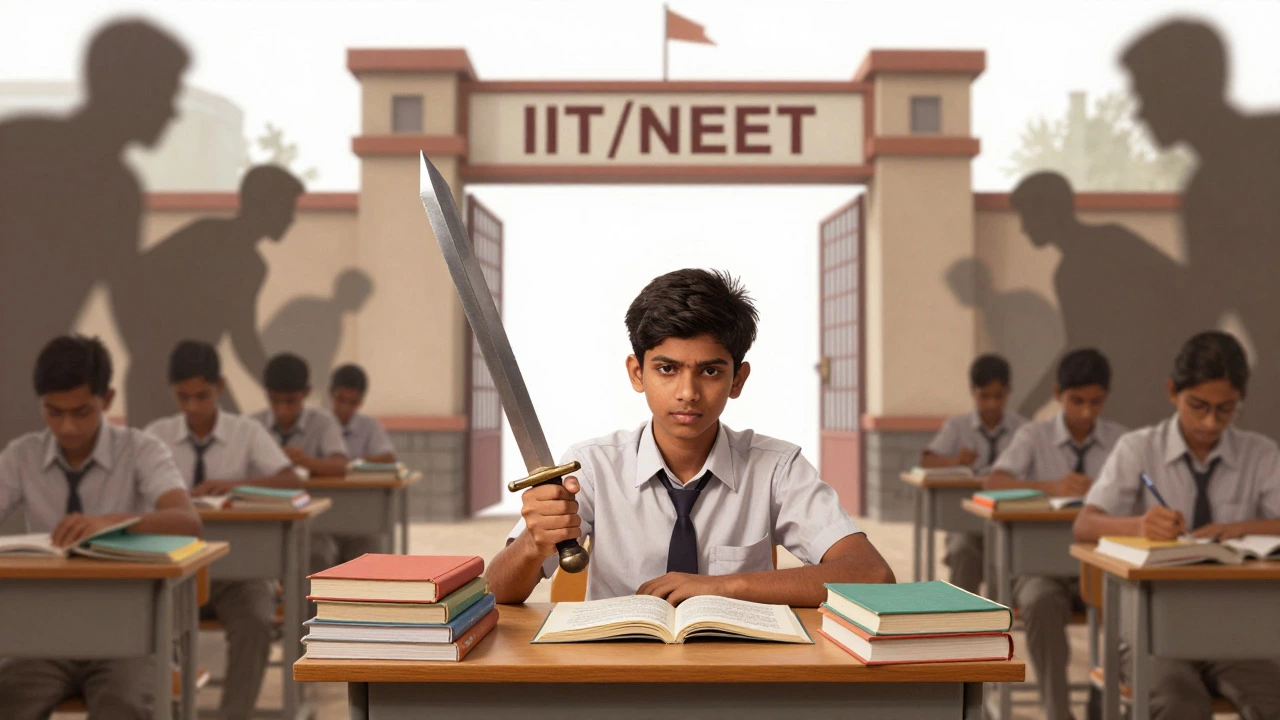
When discussing global education toughness, India cannot be ignored, particularly due to the influence of the Central Board of Secondary Education (CBSE). The CBSE is one of the largest boards in India, catering to millions of students. While the board itself provides a structured curriculum, the "toughness" arises from the competitive entrance exams that follow: the Joint Entrance Examination (JEE) for engineering and the National Eligibility cum Entrance Test (NEET) for medicine.
The CBSE syllabus is designed to be comprehensive, covering Physics, Chemistry, and Mathematics (PCM) or Biology (PCB) in great depth. However, the real challenge lies in the gap between the board exam and the entrance exams. To crack JEE Advanced, students must master concepts far beyond the CBSE textbook level. This leads to a dual-track education system where students spend their school years preparing for these specific tests rather than holistic learning.
The competition is fierce. With limited seats in top institutions like the Indian Institutes of Technology (IITs), lakhs of students compete for a few thousand spots. This drives the proliferation of coaching hubs like Kota, where students relocate to study full-time under intense supervision. The CBSE framework provides the foundation, but the pressure to excel is externalized through these high-stakes competitive exams.
Japan and Singapore: Discipline and Depth
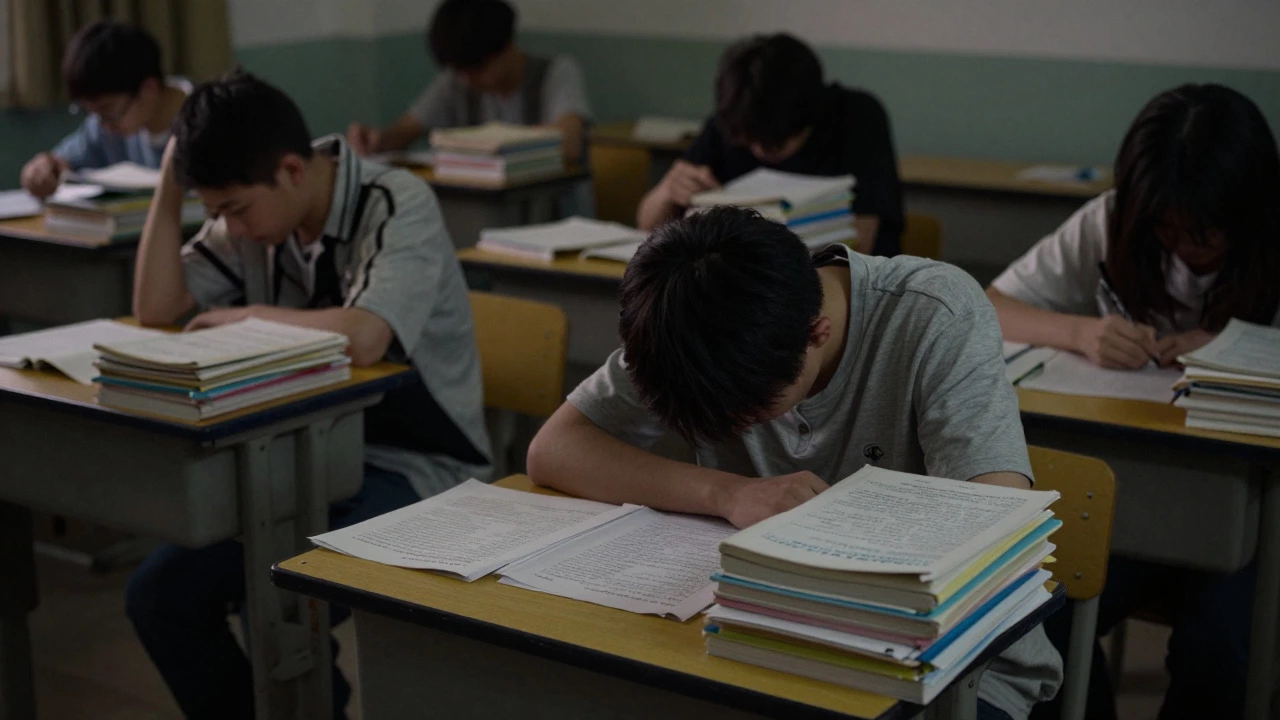
Japan and Singapore represent two different flavors of academic rigor. Japan’s system emphasizes discipline, group harmony, and deep conceptual understanding. The juken (exam hell) period for high schoolers involves months of intensive preparation for university entrance exams. The culture values perseverance, and students are expected to endure hardship as part of character building.
Singapore, on the other hand, focuses on efficiency and excellence. Consistently ranking #1 in PISA assessments, Singapore’s education system is streamlined and highly selective. Students are streamed into different tracks based on performance early in their schooling. The PSLE (Primary School Leaving Examination) at age 12 is a major milestone that determines secondary school placement. The system is tough because it leaves little room for error; falling behind early can limit future opportunities significantly.
Finland: The Paradox of Less is More
It might seem counterintuitive to include Finland in a discussion about the toughest systems, but its model challenges our definition of difficulty. Finnish students have less homework, shorter school days, and no standardized testing until the end of high school. Yet, they consistently outperform peers from more rigorous systems in critical thinking and problem-solving.
The "toughness" in Finland lies in the quality of teaching and the expectation of independent thought. Teachers are highly respected professionals, requiring a Master’s degree to teach. The system demands that students engage deeply with material rather than memorize it for tests. For students accustomed to rote learning, the Finnish approach can be mentally challenging because it requires creativity and analytical skills from a young age. It proves that toughness doesn’t always mean more hours; sometimes it means higher cognitive demand.
Educational Outcomes vs. Well-being
So, which system is truly the best? There is no simple answer. Systems like those in South Korea and China produce students who are exceptionally strong in STEM fields and disciplined workers. However, recent data shows rising rates of anxiety and depression among youth in these countries. Conversely, systems like Finland’s promote well-being and innovation but may lack the sheer scale of output seen in larger nations.
For parents and educators, the key takeaway is balance. The toughest system is not necessarily the one that produces the highest test scores, but the one that prepares students for life. This includes emotional resilience, adaptability, and the ability to learn continuously. As the world shifts towards AI and automation, rote memorization becomes less valuable, making flexible, critical thinkers more essential.
Frequently Asked Questions
Is the CBSE syllabus harder than IB?
The CBSE syllabus is generally considered more rigid and content-heavy compared to the International Baccalaureate (IB). CBSE focuses on depth within specific subjects, particularly for engineering and medical entrance prep. IB offers broader coverage with an emphasis on research, theory of knowledge, and community service. CBSE is tougher if you aim for Indian competitive exams; IB is tougher in terms of workload diversity and essay writing requirements.
Which country has the highest dropout rate due to stress?
While official dropout rates vary, studies suggest that South Korea and Japan face significant challenges with student mental health leading to absenteeism or dropping out. The pressure to conform to academic standards can lead to henjin (social withdrawal) in Japan and similar issues in Korea. However, these figures are often underreported due to cultural stigma.
How does the US education system compare in difficulty?
The United States education system is generally less uniform and less stressful in terms of standardized testing compared to Asian models. However, elite private schools and magnet programs in the US can be extremely competitive. The focus is often on extracurricular activities, leadership, and college applications holistically, rather than a single decisive exam. This makes the US system "easier" academically for the average student but "harder" in terms of navigating the complex college admissions process.
What is the role of coaching centers in India's education system?
Coaching centers play a pivotal role in India, especially for students following the CBSE syllabus who aim for IITs or medical colleges. They provide specialized training that goes beyond the school curriculum, focusing on problem-solving techniques and speed. Cities like Kota have become hubs for this industry, offering residential facilities for students from across the country. This parallel system adds to the financial and psychological burden on families.
Does a tougher education system guarantee better jobs?
Not necessarily. While a tough system like China's or South Korea's ensures a strong foundational knowledge in STEM, modern employers value soft skills, creativity, and adaptability. Countries with balanced systems like Finland or Germany often produce graduates who are innovative and entrepreneurial. The correlation between academic difficulty and career success is weakening as the job market evolves.


0 Comments