
Beginner Coder Earnings Estimator
Use this tool to estimate your potential monthly earnings based on the recommended starting rates ($15–$30/hr) mentioned in the article.
Your Estimated Potential
You just finished your first HTML HyperText Markup Language structure tutorial. You built a basic landing page. It looks decent on your screen. Now comes the big question that keeps you up at night: Can I actually get paid for this? The short answer is yes. But the long answer requires stripping away the hype of "get rich quick" tech stories and looking at what beginners can realistically do right now.
The tech industry doesn't need you to be a genius to start earning. It needs people who can solve small, specific problems. If you have completed some coding classes structured educational programs for learning programming and understand the basics, there are legitimate ways to generate income. You won't land a senior developer role at a major tech firm tomorrow, but you can build a portfolio and a bank balance simultaneously.
The Myth of the "Zero Experience" Job
Let's clear the air immediately. Companies rarely hire someone with zero experience as a full-time software engineer. They want reliability. They want someone who knows how to work in a team, use version control, and debug code without panicking. So, if your goal is a traditional W-2 or PAYE job, you likely need more than just beginner skills. You need a project portfolio that proves you can finish things.
However, the freelance market and gig economy operate differently. Clients here often don't care about your degree or your years of experience. They care about whether you can fix their broken website, scrape some data, or automate a boring Excel task. This is where beginner coders find their first paycheck. The barrier to entry is lower because the stakes are smaller. A client paying $50 for a quick fix isn't risking millions; they just need the problem solved today.
High-Demand, Low-Barrier Services for Beginners
To make money fast, you need to offer services that require logic but not complex architecture. Here are three areas where beginners consistently find work:
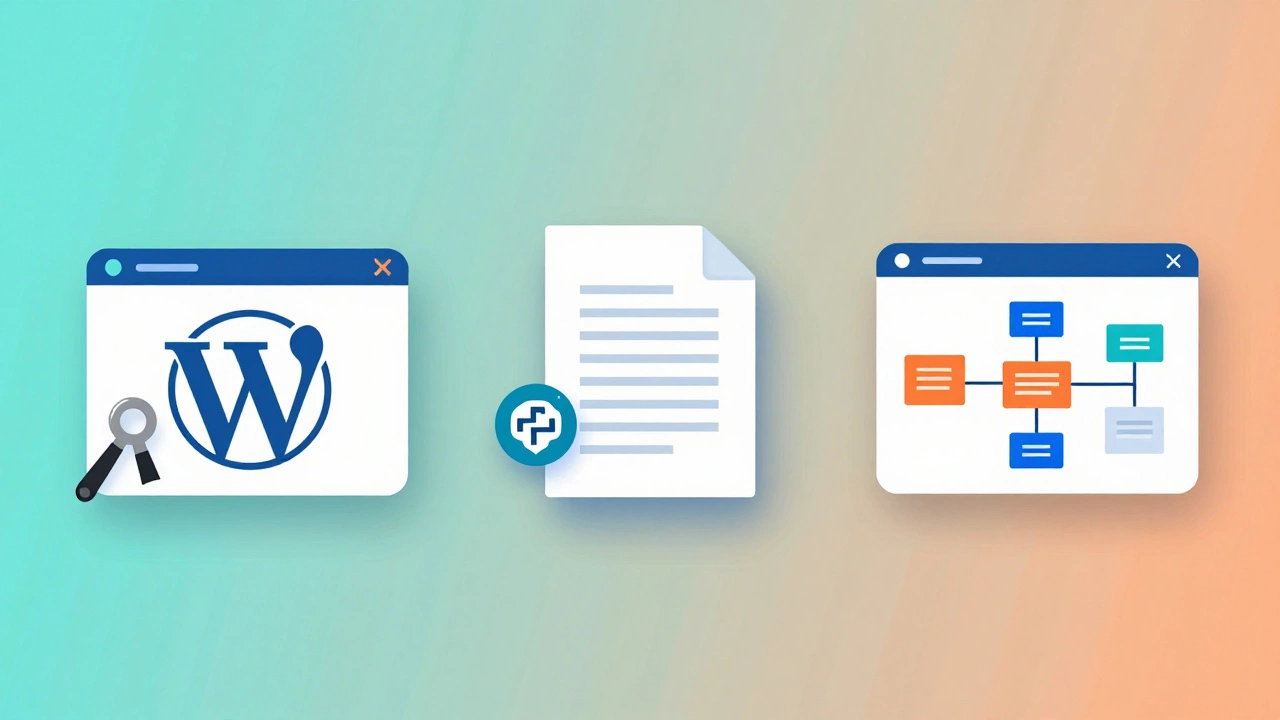
- Website Maintenance and Tweaks: Many small businesses run on WordPress popular content management system. They don't need a custom-coded site from scratch. They need someone to update plugins, change text, fix broken links, or install a new theme. If you know basic HTML, CSS, and how WordPress works, you can charge hourly rates for these tasks.
- Data Entry Automation: Businesses drown in repetitive data tasks. If you know Python, you can write simple scripts using libraries like Pandas data analysis library for Python or BeautifulSoup to scrape websites or clean CSV files. A script that takes a human two hours might take you ten minutes to write. That time difference is your profit margin.
- No-Code/Low-Code Solutions: Tools like Bubble no-code web application builder or Zapier allow you to build functional apps without deep coding knowledge. Many clients want an app but don't understand the technical difference between "coding" and "configuring." Selling the solution, not the syntax, is a powerful skill.
Where to Find Your First Clients
Finding work is often harder than doing the work. As a beginner, you lack social proof (reviews and past clients). You need platforms that level the playing field.
| Platform | Best For | Difficulty to Start | Average Pay Level |
|---|---|---|---|
| Upwork | General freelance gigs | Medium (high competition) | Low to Medium |
| Fiverr | Small, defined tasks | Easy (low barrier) | Low |
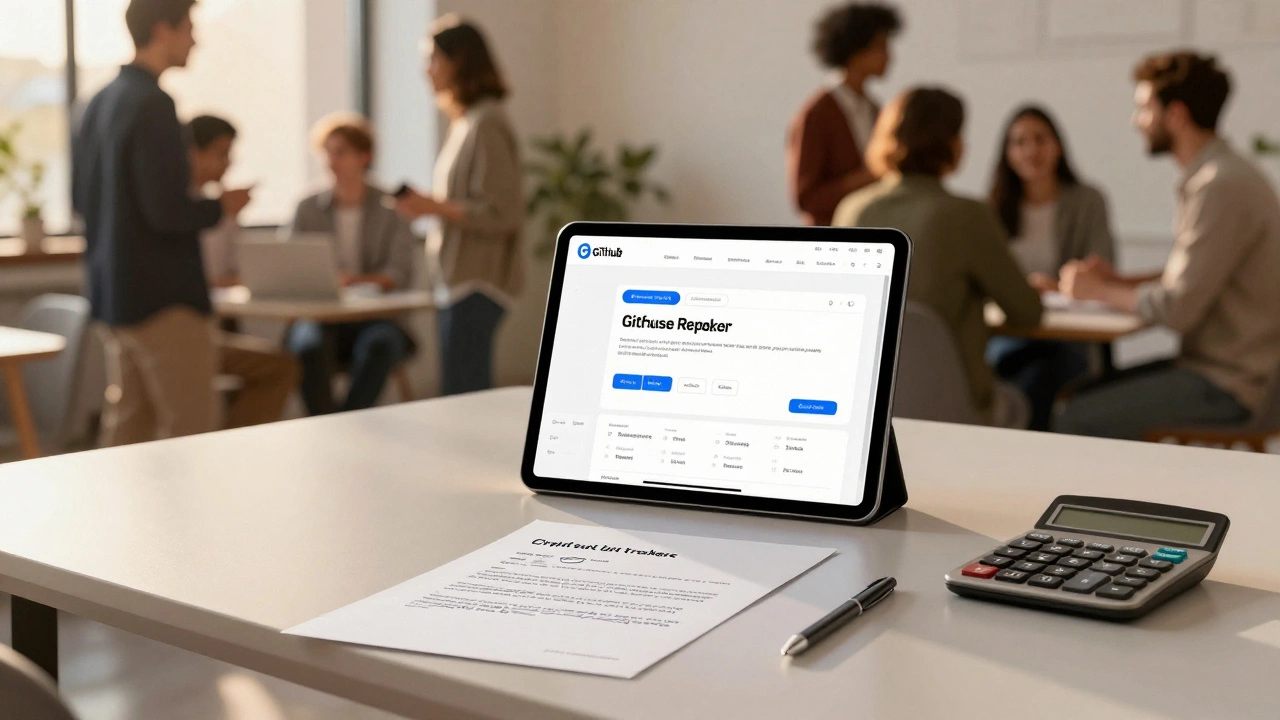
| GitHub | Showcasing open source work | Hard (requires quality code) | N/A (Portfolio only) |
| Local Networking | Small business owners | Medium (requires outreach) | Medium |
On sites like Upwork or Fiverr, your profile is your resume. Don't just list your skills. List the problems you solve. Instead of saying "I know Python," say "I can automate your monthly reporting using Python scripts." Specificity sells. When you bid on jobs, ignore the ones asking for "Full Stack Developer" roles. Look for "fix my CSS bug" or "convert PDF to Excel." These micro-tasks are your foot in the door.
Don't underestimate local networking. Small shops, cafes, and community groups often have terrible digital presences. Walking into a local business and offering to fix their Google Maps listing or update their menu online can lead to your first referral. Trust is easier to build face-to-face than through a crowded online marketplace.
Building a Portfolio That Gets Hired
Clients and employers don't trust certificates alone. They trust code. Your portfolio is your most valuable asset. It doesn't need to be fancy. It needs to be real.
If you've taken online courses digital educational modules, the final projects are usually generic calculators or to-do lists. Everyone has those. To stand out, build something that solves a personal pain point. Did you hate tracking your expenses? Build a simple expense tracker. Do you follow sports? Build a scraper that fetches daily scores. Deploy it. Put the link on GitHub. Write a README file that explains what you built, why you built it, and what technologies you used.
A strong portfolio answers three questions for a potential employer: 1. Can you write code that runs? 2. Can you explain your decisions? 3. Can you handle feedback and iteration?
When you apply for jobs or pitch clients, send them this link. It shows initiative. It shows you enjoy building, not just learning theory.
Pricing Your Work Without Undervaluing Yourself
New coders often undercharge out of fear. They think, "I'm a beginner, so I should charge half." This is a trap. Low prices attract difficult clients who expect perfection for pennies. Instead, price based on value and time.
Start by estimating how long a task will take. Add a buffer for unexpected bugs. Then multiply by an hourly rate. For beginners, $15-$30 per hour is a reasonable starting point for simple tasks in many Western markets. As you gain confidence and reviews, raise your rates. Never discount your expertise. If a client balks at the price, ask them what budget they have. Often, they have less than you think, and you can decide if the project is worth your time.
Consider fixed-price projects for well-defined tasks. If you know exactly what needs to be done (e.g., "add a contact form to this page"), quote a flat fee. This protects you from scope creep, where clients keep adding small requests that eat into your time.
Common Pitfalls to Avoid
Making money as a beginner coder isn't just about writing code. It's about managing expectations and avoiding burnout. Here are common mistakes:
- Imposter Syndrome: You'll feel like you don't know enough. Everyone does, even seniors. Remember, you're hired to solve a specific problem, not to know everything. Use documentation and AI tools to fill gaps.
- Ignoring Communication: Code is only half the job. The other half is talking to the client. Update them regularly. Ask clarifying questions before you start coding. Misunderstood requirements lead to unpaid revisions.
- Chasing Shiny Objects: Don't jump from JavaScript to Rust to Swift every week. Pick one stack (e.g., HTML/CSS/JavaScript) and master the basics. Depth beats breadth when you're starting out.
- Skipping Contracts: Even for small gigs, have a written agreement. Define the scope, the deadline, and the payment terms. Protect yourself from non-paying clients.
From Freelance to Full-Time
Your initial goal might be extra cash, but many beginners use freelancing as a stepping stone to full-time employment. Every freelance project adds to your resume. Every client interaction improves your soft skills. After six months of consistent freelance work, you can approach companies as a "Junior Developer with Client Experience." This sets you apart from candidates who only have classroom experience.
Networking during your freelance journey can also lead to referrals. A happy client might know a friend who owns a startup looking for a part-time dev. Word-of-mouth is the strongest hiring channel in tech.
How much can a beginner coder realistically make?
It varies widely. Some beginners earn $100-$500 a month fixing small bugs on freelance platforms. Others, who aggressively network and build niche skills, can make $1,000+ per month within six months. Full-time entry-level salaries range from $40,000 to $70,000 annually depending on location and specialization.
Do I need a computer science degree to make money coding?
No. Many successful developers are self-taught or bootcamp graduates. Employers prioritize practical skills and portfolio projects over degrees. However, a degree can help with visa sponsorship and large corporate HR filters.
What is the easiest coding language to learn for making money?
JavaScript is highly versatile for web development, which has high demand. Python is great for automation and data tasks. HTML and CSS are essential for any web-related freelance work. Choose based on the type of problems you enjoy solving.
How long does it take to become employable after starting coding classes?
With dedicated study (15-20 hours per week), you can build a portfolio sufficient for junior roles or freelance gigs in 6-12 months. Consistency matters more than intensity.
Is freelancing better than getting a job for beginners?
Freelancing offers flexibility and diverse experience but lacks stability and benefits. A job provides mentorship and steady income. Many beginners start with freelance to build confidence and transition to a job later.








0 Comments