Learning Platform Finder
Find Your Best Learning Platform
Answer a few quick questions to identify which digital learning platform best fits your needs.
Who are you using this platform for?
What devices will be used most frequently?
What's your internet connectivity like?
Which features are most important?
When people talk about a common digital platform for learning, they’re usually referring to something that lets students and teachers connect online-no classrooms, no commute, just lessons, assignments, and feedback over the internet. These platforms aren’t just fancy websites. They’re the backbone of modern education, especially after the pandemic reshaped how we think about schools and training.
What exactly is a common digital platform?
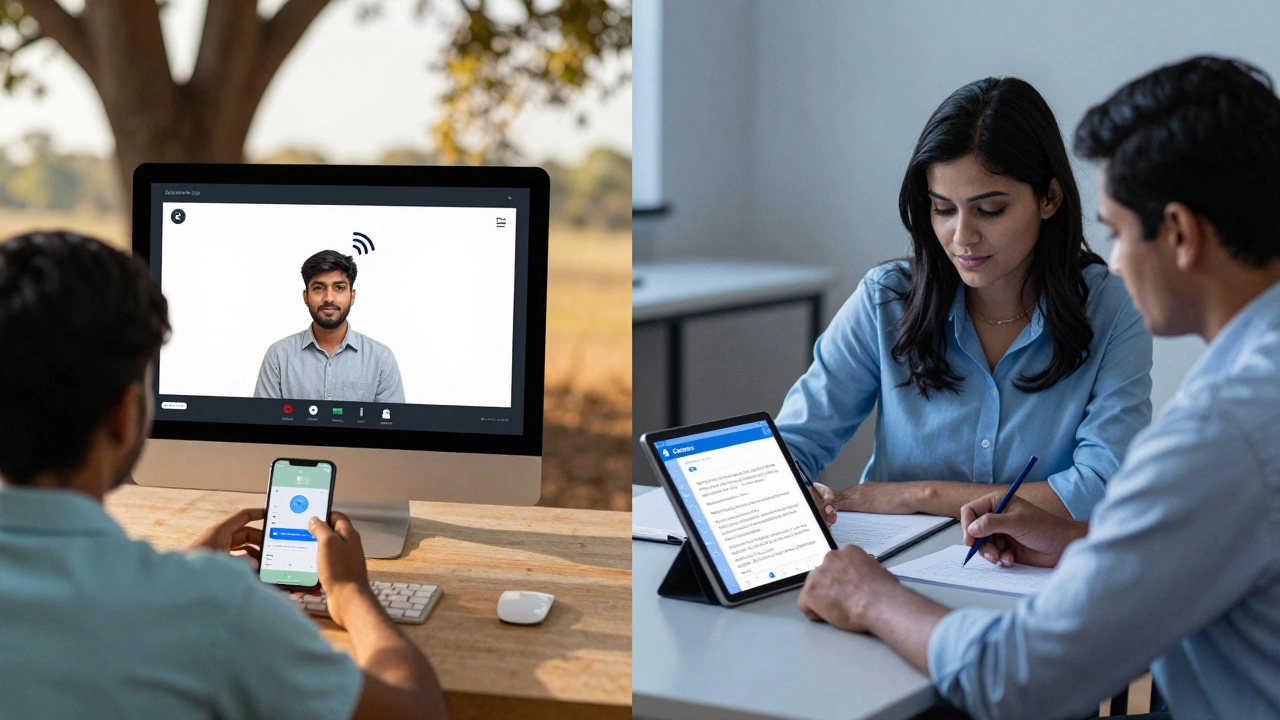
A common digital platform in education is a system that delivers courses, tracks progress, and supports interaction between learners and instructors. Think of it like a digital classroom that never closes. You can log in from your phone, tablet, or laptop and find videos, quizzes, discussion boards, and downloadable materials-all in one place.
The most widely used ones today include Moodle an open-source learning management system used by schools, universities, and corporations worldwide, Google Classroom, Canvas, Blackboard, and Microsoft Teams for Education. These aren’t just tools-they’re ecosystems. They handle everything from grading to attendance, from live video lectures to automated feedback on assignments.
What makes them "common" isn’t just popularity. It’s reliability. These platforms work on low-bandwidth connections, support multiple languages, integrate with tools like Zoom and Google Drive, and are built to handle thousands of users at once. In rural India, a student in a village might use Moodle on a basic smartphone. In Sydney, a university professor might use Canvas to run a full semester of postgraduate courses. Same platform. Different context.
Why do so many schools and colleges use the same platforms?
It’s not because they’re all lazy or copying each other. It’s because these platforms solve real problems.
Before digital platforms, managing assignments meant printing handouts, collecting papers, and losing track of who turned what in. Teachers spent hours just organizing files. Students forgot deadlines. Parents had no way to check progress unless they asked their child-and kids often didn’t know themselves.
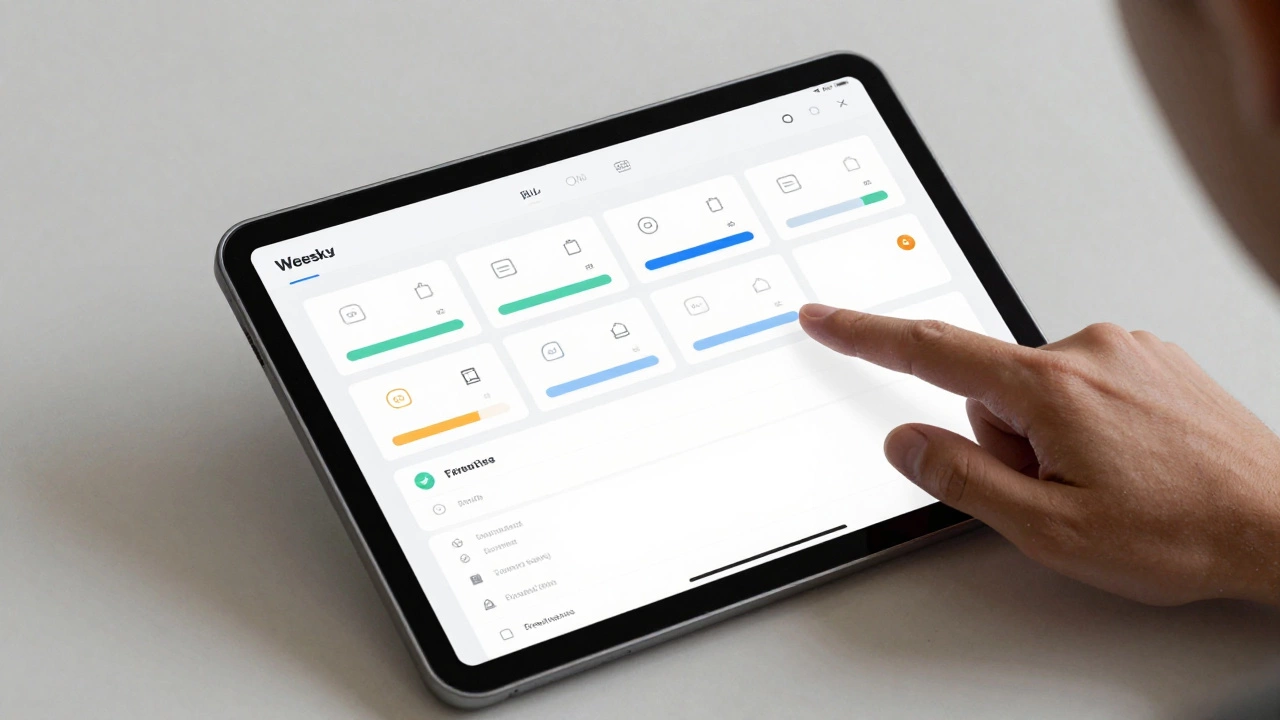
Platforms like Moodle and Google Classroom changed that. They give teachers a single dashboard to assign work, set due dates, grade submissions, and send reminders. Students get notifications. Parents can sign up for access. It cuts confusion. It saves time. It makes learning more transparent.
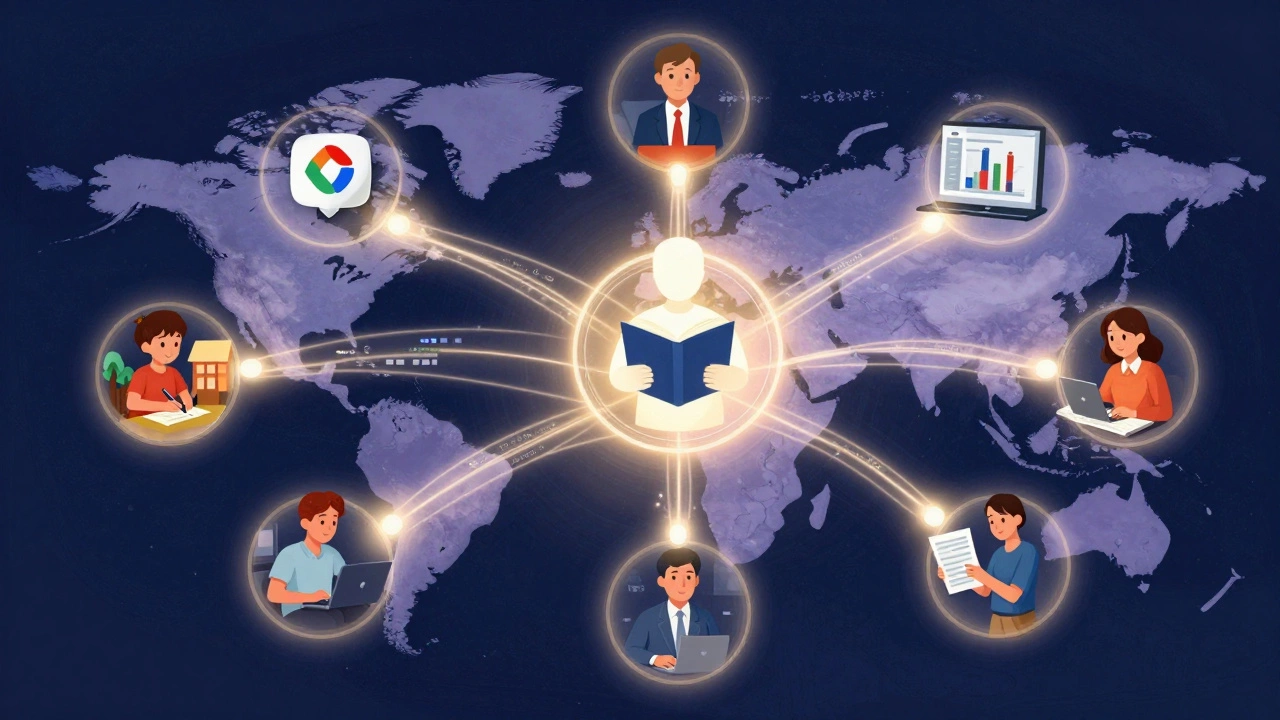
Also, these systems are scalable. A small tutoring center in Bangalore can use the same platform as a university in Canada. The features adjust to the size, but the core structure stays the same. That’s why they’re common: they work at every level.
What features make a digital learning platform useful?
Not all platforms are built the same. But the ones that stick around have a few key features in common:
- Course organization: Modules, weeks, topics-all neatly arranged so you know what to do next.
- Assignment submission: Upload files, type responses, record videos. No more lost USB drives.
- Grading tools: Rubrics, comment banks, speed grader features that let teachers mark faster without sacrificing detail.
- Discussion boards: Where students ask questions, debate ideas, and help each other-even if they’re on different continents.
- Progress tracking: Dashboards show how much you’ve completed, your grades, and where you’re falling behind.
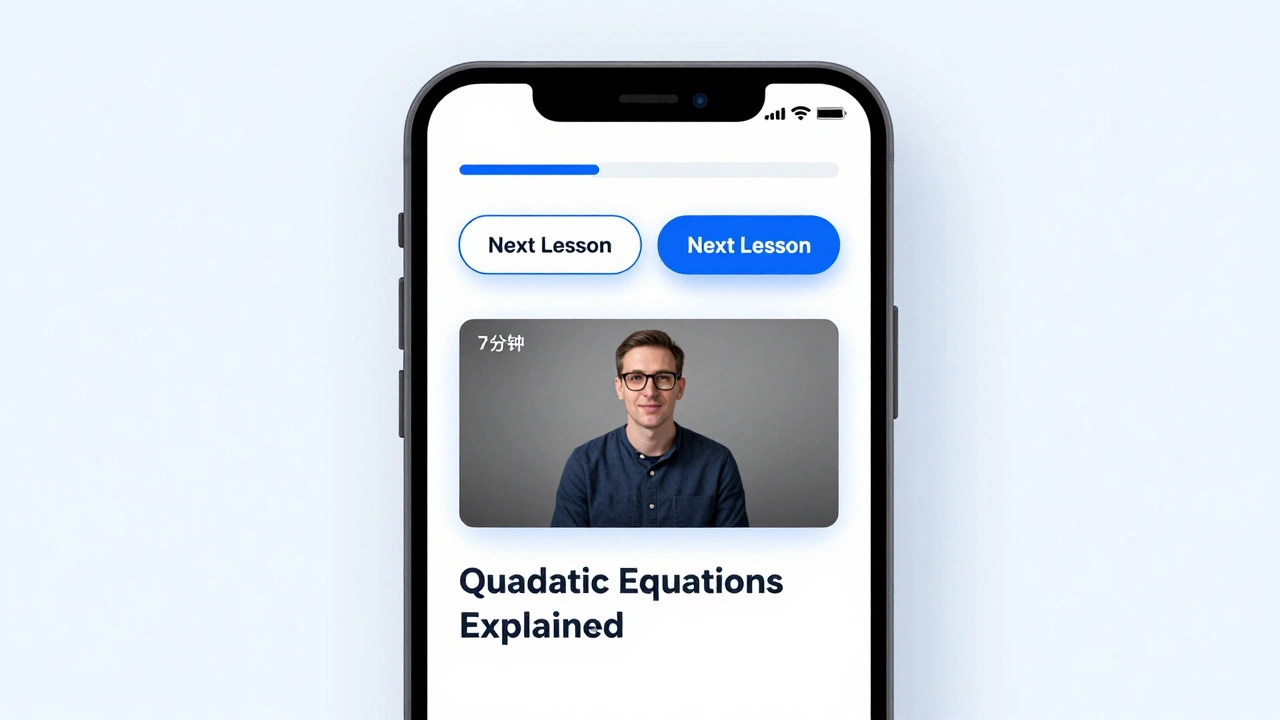
- Mobile access: If you can’t use a laptop, you should still be able to watch a video or submit an assignment from your phone.
Some platforms even add AI features now-like suggesting study resources based on your quiz scores or flagging students who haven’t logged in for a week. These aren’t gimmicks. They’re tools that help teachers spot problems early.
Who uses these platforms-and how?
It’s not just students in schools. The users are everywhere:
- High school students: Use Google Classroom to submit science reports or join Zoom-based history discussions.
- University learners: Rely on Canvas to access lecture recordings, participate in peer reviews, and track their GPA in real time.
- Adult learners: Take certification courses on platforms like Coursera or edX, which are built on similar tech.
- Corporate trainers: Use LMS systems like Moodle to train employees on safety protocols or software tools.
- Parents: Log in to check if their child has turned in homework or missed a quiz.
In Australia, for example, the Department of Education recommends Moodle and Google Classroom for public schools. In India, the National Education Policy pushes for digital platforms to reach students in remote areas. Even in places with unreliable internet, offline modes and SMS-based reminders are built in.
What are the downsides?
They’re not perfect. A lot of people still struggle with them.
Some platforms are clunky. If you’re not tech-savvy, logging in, uploading a file, or finding a lost assignment can feel like a puzzle. Teachers who didn’t grow up with this tech sometimes need weeks of training just to use the basics.
Privacy is another concern. When a platform collects your grades, attendance, and even your typing speed, who owns that data? Are you being tracked? Most reputable platforms follow strict data rules-especially in Europe and Australia-but not all do.
And then there’s the digital divide. Not every student has a reliable device or internet connection. In some parts of the world, students have to walk to a community center just to log in. Platforms help, but they don’t fix infrastructure problems.
What’s next for these platforms?
The next wave is personalization. Instead of one-size-fits-all courses, platforms are starting to adapt to how you learn. If you’re a visual learner, the system might push more videos. If you learn better by doing, it’ll suggest interactive simulations.
AI tutors are becoming more common too. Some platforms now offer chatbots that answer questions 24/7-like, "What’s the Pythagorean theorem?" or "How do I cite this source?"
Integration is growing too. Platforms now connect with tools like Grammarly for writing help, Khan Academy for extra practice, and even fitness apps for health education courses.
One thing’s clear: the future isn’t about replacing teachers. It’s about giving them better tools so they can focus on what matters-guiding, mentoring, and inspiring.
How do you choose the right one?
If you’re a teacher or school administrator, ask these questions:
- Does it work on low-end devices and slow internet?
- Can parents access it easily?
- Is training available for staff?
- Does it support multiple languages?
- Is the data stored securely and compliant with local laws?
For students and parents, look for:
- Clear navigation-can you find your assignments in under 30 seconds?
- Notifications-do you get alerts when something’s due?
- Feedback speed-how long does it take for your work to be graded?
There’s no "best" platform. The best one is the one that fits your needs, your tech level, and your environment.
What is the most common digital platform for e-learning?
The most common digital platform for e-learning is Moodle. It’s open-source, used by over 100 million learners worldwide, and powers everything from small schools to major universities. Other widely used platforms include Google Classroom, Canvas, and Blackboard, but Moodle stands out because it’s free, customizable, and works offline in many cases.
Is Google Classroom a digital learning platform?
Yes, Google Classroom is a digital learning platform. It’s designed for K-12 schools and lets teachers create assignments, distribute materials, and give feedback-all within the Google ecosystem. It’s simple to use, integrates with Google Drive and Meet, and is free for schools. While it doesn’t have all the advanced features of Moodle or Canvas, it’s perfect for basic online teaching.
Can I use a digital platform for self-study?
Absolutely. Platforms like Coursera, edX, and Khan Academy are built for self-paced learning. You don’t need a teacher enrolled with you. You can sign up, follow a course, take quizzes, and earn certificates on your own schedule. Many of these platforms use the same underlying technology as school LMS systems, just without the classroom structure.
Are digital learning platforms secure?
Reputable platforms follow strict data protection rules, especially in places like Australia and the EU. They encrypt data, limit access to authorized users, and comply with privacy laws like GDPR and the Australian Privacy Principles. Always check if your school or provider uses a platform certified for education data security. Avoid free, unknown platforms that ask for too much personal info.
Do digital platforms replace teachers?
No. They support teachers. A platform can deliver a video lecture or grade a multiple-choice quiz, but it can’t inspire a student, answer a deep question about ethics, or notice when someone is struggling emotionally. The best learning happens when technology handles the routine tasks, so teachers can focus on human connection.
Final thoughts
A common digital platform isn’t just a tool-it’s a bridge. It connects learners to knowledge, teachers to progress, and families to education. It doesn’t matter if you’re in a high-rise apartment in Sydney or a village in Bihar. If you have a device and a connection, you can learn.
The real question isn’t whether these platforms work. It’s whether we’re using them well. The best platforms don’t just store content. They build community. They adapt. They listen. And they make learning something you can do anytime, anywhere.







0 Comments