E-learning Platform: Best Tools and How They Work in India
When you use an e-learning platform, a digital system that delivers courses, lessons, and assessments over the internet. Also known as online learning platform, it lets students in rural Bihar or urban Bangalore access the same content—whether it’s NEET biology videos, IELTS speaking practice, or coding tutorials—without stepping into a classroom. This isn’t just about watching videos. It’s about quizzes that adapt to your mistakes, live doubt sessions with tutors, and progress tracking that shows you exactly where you’re falling behind.
Many of these platforms are built around digital education, the use of technology to deliver structured learning experiences. This includes tools like virtual classrooms, real-time online spaces where teachers and students interact through video, chat, and shared screens, and education technology, software and apps designed to improve how learning happens. You’ll find these in apps that help you speak English faster, platforms that simulate JEE mock tests, or sites that offer certifications you can finish in days. They’re not just for college students. A teacher in training in Odisha uses them to practice lesson planning. A parent in Rajasthan uses them to help their child with Class 12 biology. The best ones don’t just dump content—they figure out what you don’t know and push you to fix it.
What makes a good e-learning platform? It’s not the flashy interface or the celebrity teacher. It’s whether it works when your internet is slow, whether it tracks your weak spots, and whether it connects to real exams like NEET, IELTS, or even government job tests. Some platforms focus on speed—like the ones offering quick certifications in Google or Microsoft tools. Others go deep, like the ones that break down every chapter of NCERT for NEET with daily practice plans. The ones that win? They understand that in India, learning doesn’t happen in a perfect lab. It happens on a phone with 2GB data, between helping with chores, or after a long day of coaching.
Below, you’ll find real guides on the tools people are actually using—from the best English speaking apps to the fastest certifications you can get online. No fluff. Just what works.
 12 Dec
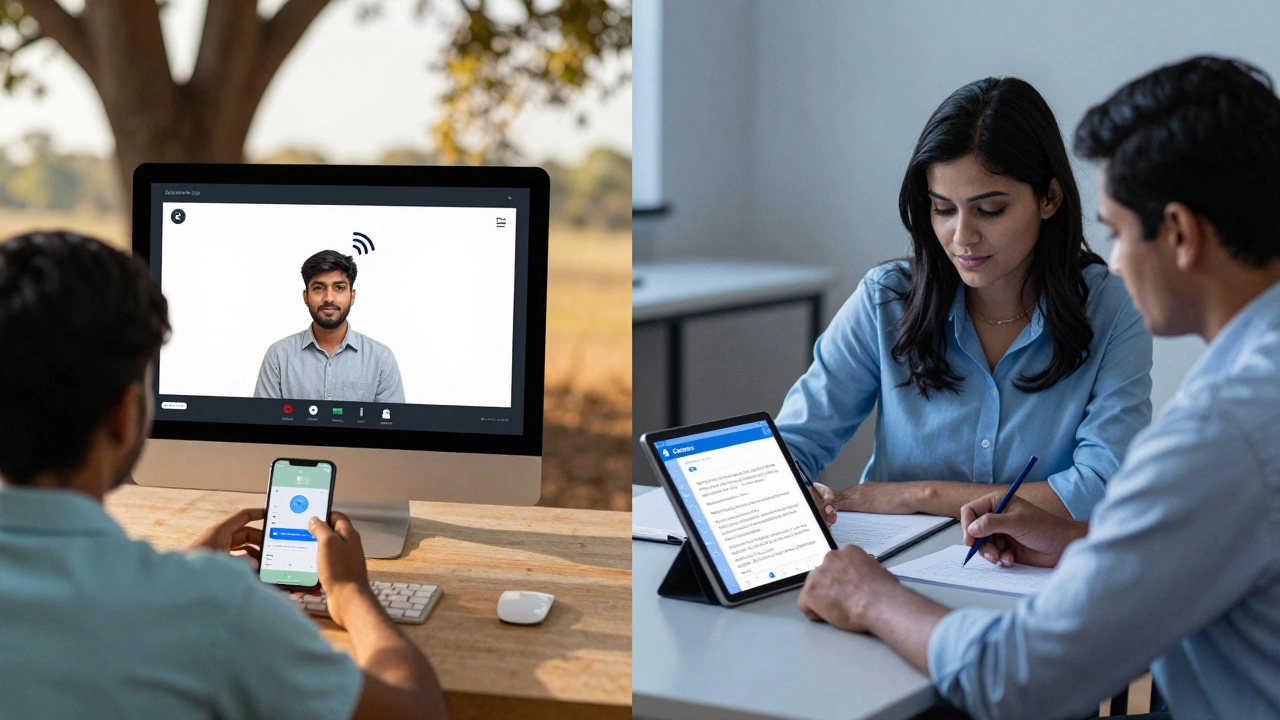
What Is a Common Digital Platform for Learning?
A common digital platform for learning is a system like Moodle or Google Classroom that delivers courses, tracks progress, and connects students and teachers online. These platforms are used worldwide in schools, universities, and training programs.
 1 Dec
1 Dec
What Makes a Good Digital Platform for E-Learning?
A good e-learning platform isn't about fancy tech-it's about simplicity, interaction, and real feedback. Learn what truly keeps learners engaged and helps them succeed.