IIT JEE and NEET Prep in 2025: Study Plans, Certifications, and Education Paths in India
When you’re trying to get into top engineering or medical colleges in India, IIT JEE, a national entrance exam for engineering programs at India’s top technical institutes isn’t just a test—it’s a race against time, pressure, and misinformation. Many think you need years of coaching, but the real question is: how much time do you actually need, and what’s the smartest way to use it? The same goes for NEET, the medical entrance exam that determines who gets into MBBS programs across India. Both require deep focus on NCERT, smart revision cycles, and avoiding burnout—not just long hours. And if you’re confused about what you even get after Class 12, you’re not alone. There’s no such thing as a "12th class degree"—it’s a higher secondary certificate, the official credential awarded after completing Class 12 under boards like CBSE or state councils, and mixing that up with a degree can mess up your college applications.
But education in India isn’t just about JEE and NEET. More students are asking: what if I don’t want to go to a traditional university? That’s where vocational qualifications, hands-on certifications in trades like electrician work, nursing assistance, or digital marketing that prove you can do a job, not just pass a test come in. These aren’t second choices—they’re fast, affordable, and increasingly valued by employers. And if you’re thinking about studying abroad but don’t have the money, study abroad scholarships, funding options from governments, NGOs, and universities that cover tuition and living costs for international students are more accessible than you think. You don’t need to be rich—you just need to know where to look. Meanwhile, some of the toughest exams in the country aren’t even national—they’re state-level tests in places like Uttar Pradesh and Maharashtra, where millions compete for a few thousand seats. These aren’t just hard—they’re systemic, and failing one doesn’t mean you’re done. It means you need a new plan.
And it’s not just about exams. People are asking: what’s the fastest way to get a credential that actually helps me get hired? The answer isn’t always a degree. In 2025, you can earn fast certifications, online credentials from Google, Microsoft, or First Aid organizations that take days, not months, to complete and are recognized by real employers in fields like IT, healthcare, and customer service. These aren’t fluff—they’re resume boosters with real ROI. Whether you’re a student stuck in the JEE grind, a parent confused about Class 12 paperwork, or someone looking to switch careers without going back to school, the guides from November 2025 cut through the noise. You’ll find clear timelines, real strategies, and no hype—just what works.
 28 Nov
How Much Time Is Required to Prepare for IIT JEE?
How much time do you really need to prepare for IIT JEE? Learn the optimal study timeline based on when you start, what works best, and how to avoid common mistakes that waste months of effort.
 25 Nov
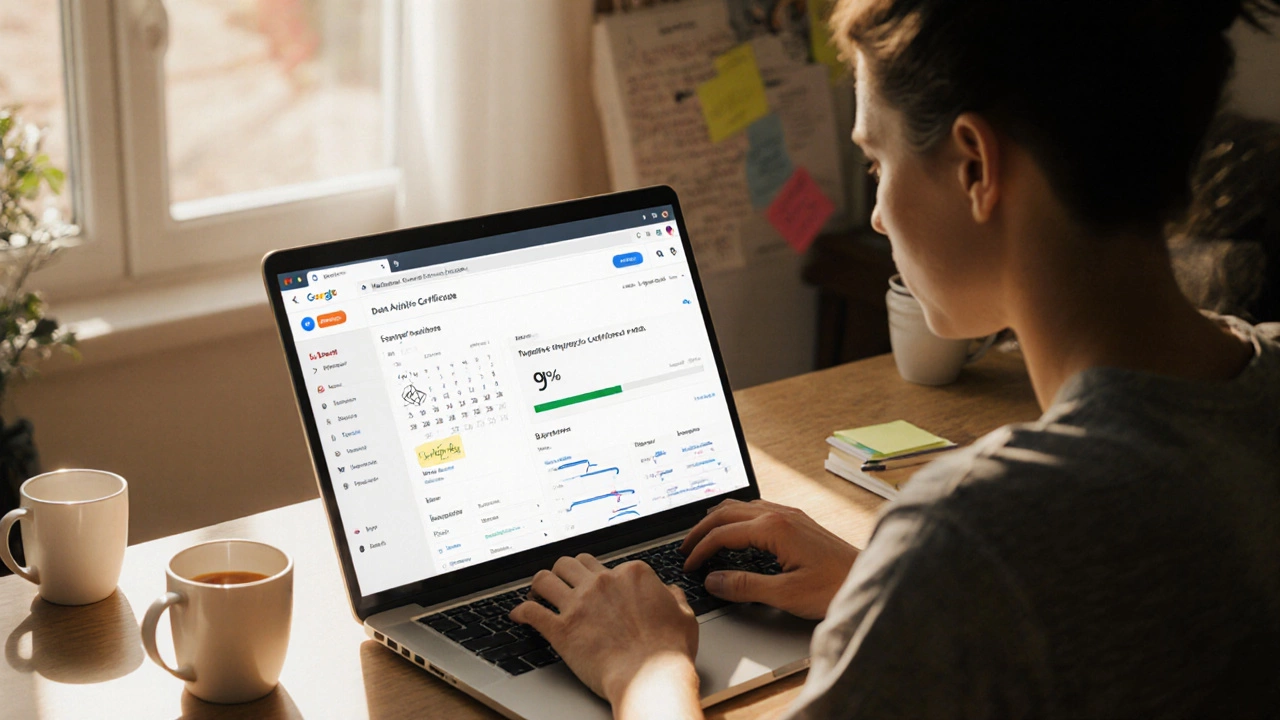
What is the quickest thing to get certified in? Fast online certifications you can finish in days
Discover the quickest online certifications you can finish in days-not weeks. From Google and Microsoft to First Aid and HubSpot, learn which credentials actually boost your resume fast.
 21 Nov
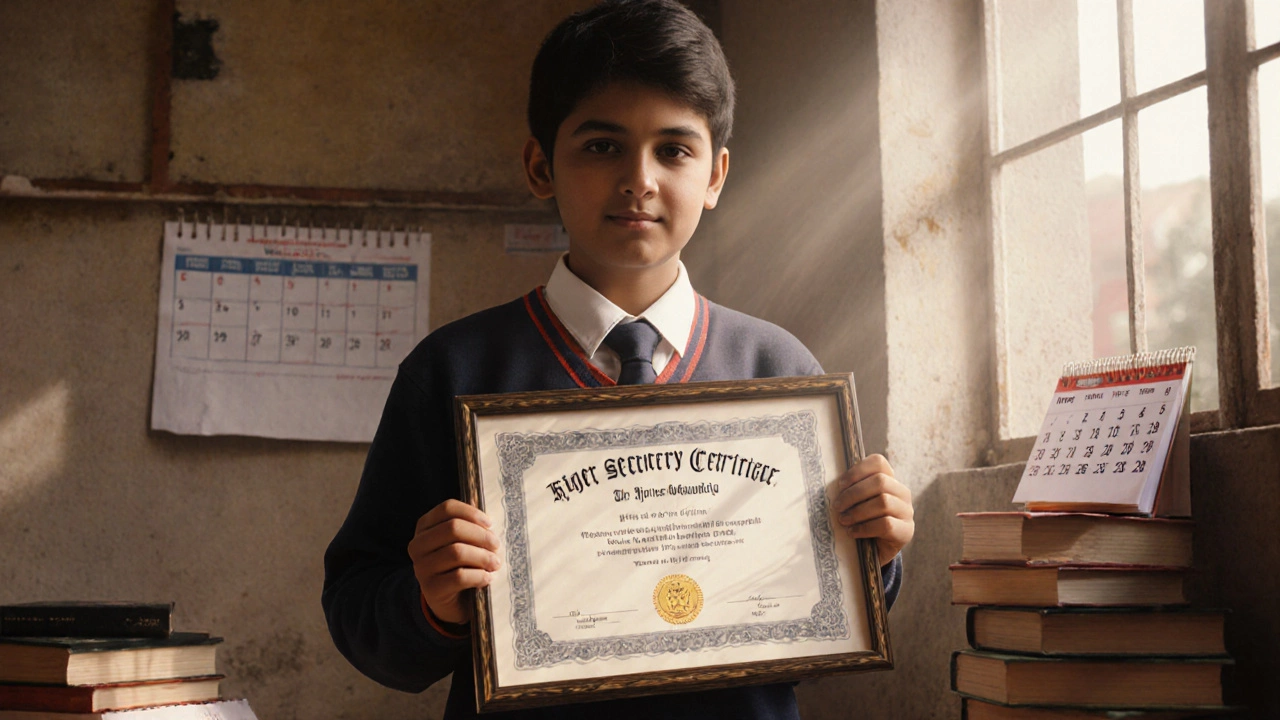
What Is a 12th Class Degree Called in India? Understanding the Indian School System
There's no such thing as a 12th class degree in India. Learn what you actually receive after Class 12, how it's used for college admissions, and why mixing up terms like 'degree' and 'certificate' can cause problems.
 20 Nov
What is the best to study for NEET? Ultimate subject and strategy guide
Learn what to study for NEET with a proven strategy focused on high-yield topics, NCERT mastery, daily practice, and smart time management. Avoid common mistakes and build a winning plan.
 20 Nov
How to Study Abroad If You Can't Afford It
You don't need money to study abroad - just the right strategy. Learn how to access free tuition, scholarships, part-time work, and government aid to study overseas without debt.
 18 Nov
What Is Vocational Qualification? A Clear Guide for Career Seekers
A vocational qualification is a hands-on credential that proves you can do a specific job. Learn how these certifications work, why they're valued by employers, and how to get one without a university degree.
 16 Nov
What is the best job a felon can get in 2025?
In 2025, ex-offenders in Australia can find stable, well-paying government jobs in cleaning, community support, libraries, public transport, and corrections. Learn which roles are accessible, how to apply, and where to get free help.
 16 Nov
Which State Has the Hardest Tests? Top Competitive Exams in India Revealed
India's most competitive exams are concentrated in states like Uttar Pradesh, West Bengal, and Maharashtra, where millions compete for a few thousand seats. Discover why these tests are so brutal - and what happens after you fail.