International Scholarships: How to Fund Your Study Abroad Without Debt
When you think of international scholarships, financial awards given by foreign governments, universities, or organizations to help students study abroad. Also known as overseas education grants, they’re not just for the rich—they’re designed for smart, determined students who know how to find and apply for them. You don’t need a six-figure family income to study in the U.S., Germany, Canada, or Australia. You just need the right strategy.
Many people assume scholarships are rare, but that’s not true. Countries like Germany offer free tuition to international students, and places like Canada and Australia have dozens of fully funded programs every year. The study abroad funding, the mix of scholarships, grants, part-time work, and government aid that lets students cover tuition and living costs overseas isn’t one big lottery—it’s a series of smaller, reachable wins. For example, the DAAD in Germany, the Chevening Scholarship in the UK, and the Australia Awards all give full rides to students from developing countries. These aren’t hidden secrets. They’re published online, with clear deadlines and eligibility rules.
What makes a scholarship application stand out? It’s not your GPA alone. It’s how clearly you show your purpose. Did you grow up without access to quality labs? Tell that story. Are you planning to bring back skills to your home country? Say it. Scholarship committees look for people who will use the opportunity to create change—not just get a degree. And yes, you can get funding even if you’re not top of your class. Many scholarships focus on leadership, community work, or financial need. The financial aid for students, support systems like tuition waivers, stipends, and work-study programs offered to international learners often include part-time work rights. In Canada, you can work 20 hours a week while studying. In Germany, you can earn €10–€15 an hour at campus jobs. That covers rent, food, and books.
There’s a myth that you need to be a genius to win. The truth? You just need to start early, apply to 10–15 scholarships, and never give up. Some students apply for 50. Others win just one—and that’s enough. The key is consistency. Check university websites directly. Follow education ministries on social media. Sign up for free scholarship newsletters. You don’t need an agent. You don’t need to pay a fee. If someone asks for money to help you apply, walk away. Real study abroad scholarships, fully or partially funded opportunities offered by foreign institutions to cover tuition, travel, or living expenses for international students are free to apply for.
Below, you’ll find real stories and practical guides from students who made it happen—how they found hidden scholarships, how they wrote winning essays, and how they managed to study abroad with little to no debt. These aren’t theoretical tips. They’re the exact steps taken by people just like you.
 2 Dec
2 Dec
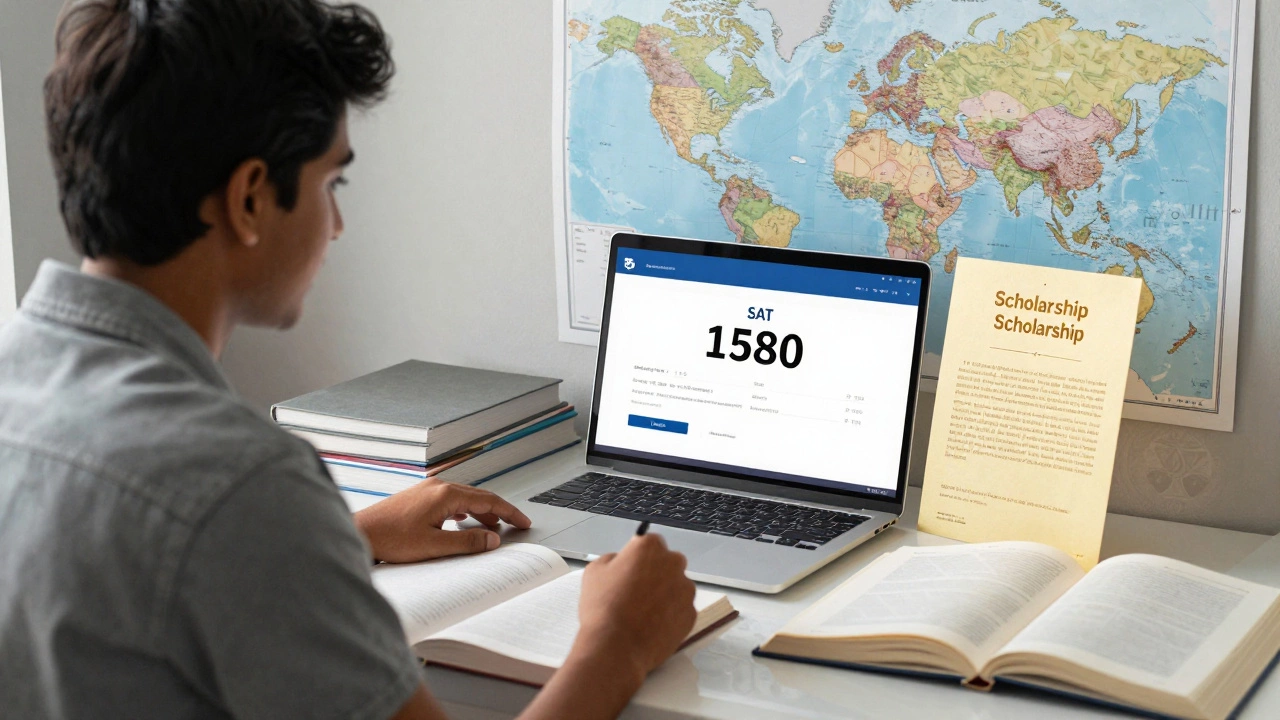
Which Exam Is Best for Scholarship? Top Global Tests to Win Full Funding
The best scholarship exams depend on your destination and study level. SAT for U.S. undergrad, IELTS for UK/Australia, GRE for grad school. Score high to unlock full funding.