Indian school system: How it works, what’s broken, and where change is happening
When people talk about the Indian school system, the structured network of public and private schools that educates over 250 million children across India, following state and national curricula like NCERT and CBSE. Also known as school education in India, it’s built on a rigid structure: primary, upper primary, secondary, and higher secondary levels, all leading to high-stakes board exams. This system isn’t just about learning—it’s a gatekeeper to college, careers, and social mobility. But it’s also where millions of students feel trapped in memorization, not understanding.
The NCERT curriculum, the national textbook framework used by most Indian schools to standardize content from Class 1 to 12 is the backbone of this system. It’s designed to be uniform, but in practice, it often ignores local contexts, lacks critical thinking, and pushes rote learning. Meanwhile, the board exams, high-pressure state and national tests like CBSE Class 10 and 12, or state board finals that determine college eligibility turn schools into exam factories. Students in Uttar Pradesh, Maharashtra, or West Bengal spend years preparing for these one-day tests that decide their future—no matter how well they’ve learned or what they actually care about.
But the system isn’t stuck. Change is bubbling up. More schools are starting to blend in vocational education, hands-on training in skills like plumbing, digital literacy, or healthcare support that leads directly to jobs without a degree—something once seen as second-rate but now recognized as vital. The National Education Policy 2020 pushed for this shift, aiming to reduce exam stress and give students real-world options by Class 6. And while many schools still lag, others are testing project-based learning, reducing syllabus load, and even letting students choose subjects instead of forcing them into rigid science or commerce streams.
What you’ll find in the posts below isn’t theory—it’s real talk from the ground. How to survive NEET prep without burning out. Why some states have exams harder than JEE. What vocational courses actually lead to jobs today. How eLearning is reaching rural kids who’ve never seen a textbook. These aren’t abstract ideas. They’re the tools, struggles, and breakthroughs happening right now in classrooms across India. Whether you’re a parent, student, or teacher, this collection gives you the map to navigate what’s broken—and where the path forward actually is.
 21 Nov
What Is a 12th Class Degree Called in India? Understanding the Indian School System
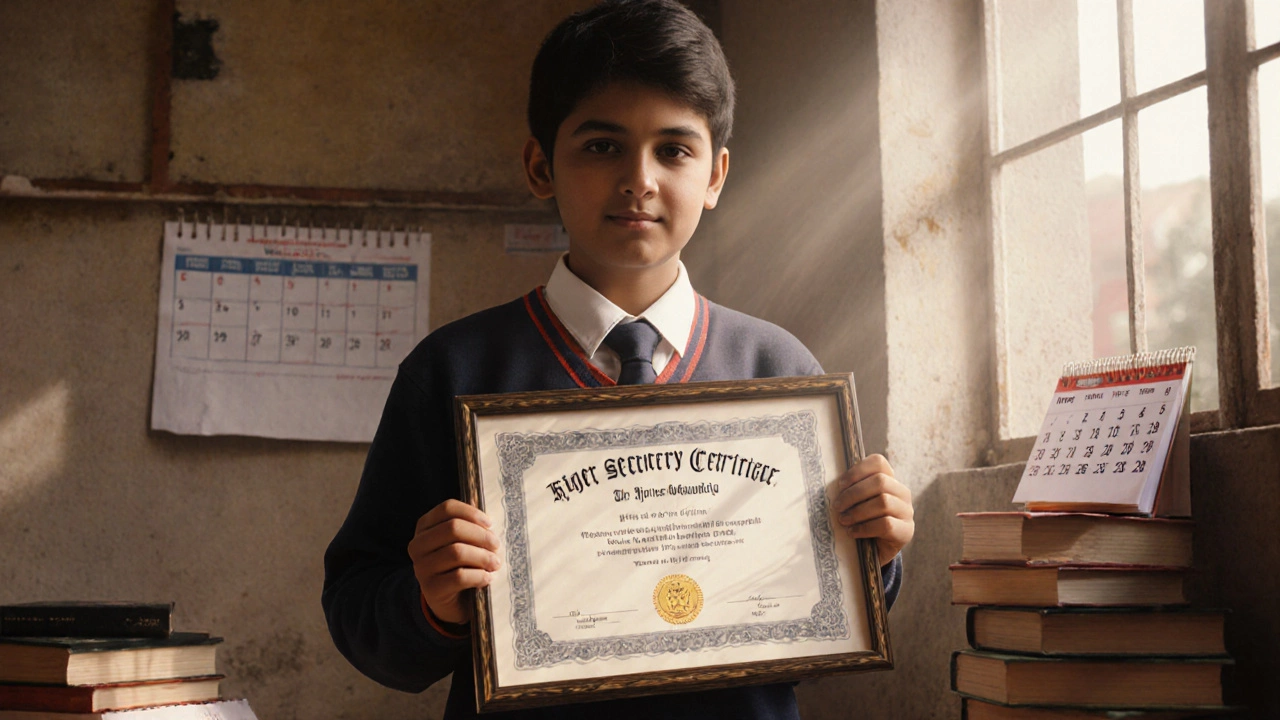
There's no such thing as a 12th class degree in India. Learn what you actually receive after Class 12, how it's used for college admissions, and why mixing up terms like 'degree' and 'certificate' can cause problems.